


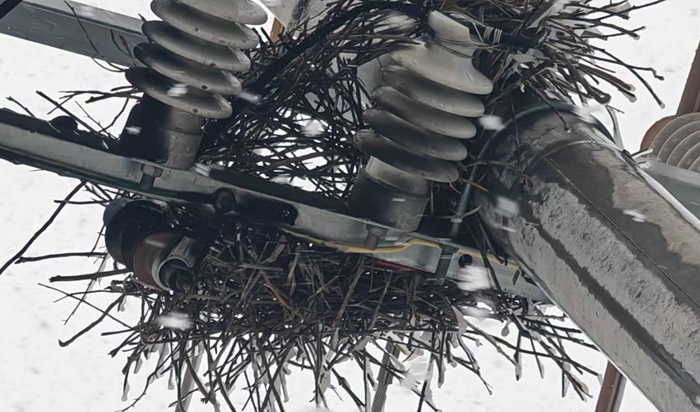
Anyone working in the power industry knows that birds like to nest on tall utility poles. The twigs and wires they carry in their beaks can cause short circuits or even power outages if they come into contact with live wires. What’s even more concerning is that the birds themselves are often injured as a result. How can we ensure the safety of the power supply without harming the birds? This has long been a challenge in power grid operations and maintenance.
Shenzhen Zhenqu Bird Control Technology - Smart Multifunctional Bird Repeller ZQN-DL-ZN2. This device combines ultrasonic and audio repellents to comprehensively prevent birds from approaching power facilities.
Although it is small in size, it emits two types of signals that cause birds to “stay away.” One is an ultrasonic sound at a specific frequency—completely inaudible to the human ear, but an unpleasant experience for birds. Over time, birds will learn that this area is unsuitable for resting and will naturally stay away. The other is a vocal bird-repelling function. The device plays the calls of birds’ natural predators or other sounds that frighten them, leading the birds to believe there is danger nearby and deterring them from approaching the area.
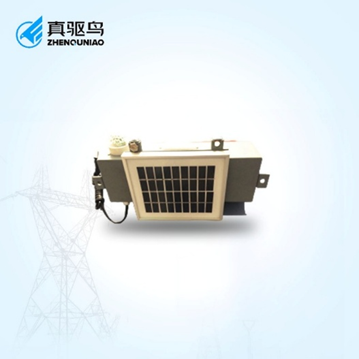
It is worth noting that the smart, multifunctional bird repeller is also equipped with a radar sensor system. When maintenance personnel or passersby approach within five meters of the device, it automatically issues a voice alert stating “High Voltage Danger” and displays a warning message, ensuring both bird control and personal safety.
In terms of power supply, the device operates in a dual-mode system using both solar energy and grid power. On sunny days, it relies on solar energy; on cloudy days, it automatically switches to grid power, ensuring uninterrupted operation around the clock. Installation is also quite flexible, easily adapting to either channel steel mounting or suspended deployment. As more and more power facilities adopt these smart devices, the safety and stability of the power grid are improving. More importantly, this has created a gentle buffer zone between humans and birds. Electricity continues to flow as usual, and birds continue to fly as usual—each has simply found a more suitable place.


