


Taken literally, the core logic behind anti-nesting devices for power poles is simple: secure the spot first, leaving birds nowhere to land! This aligns perfectly with our ultimate goal of bird control—preventing birds from approaching, perching, or nesting.
Shenzhen Zhenqu Bird Technology’s Power Pole Bird Nesting Deterrent uses physical devices to preemptively occupy the most critical and dangerous spaces on utility poles (typically the crossarm area directly above the insulator string). This “first-come, first-served” strategy effectively establishes a clear physical boundary between the high-voltage electric field and the natural ecosystem. Since birds conduct multiple reconnaissance stops before selecting a nesting site, the smooth, rounded design of the occupier significantly disrupts their stability while perched. Once they lose their sense of stability, the birds feel unsafe and consequently abandon prolonged stays at that location, thereby preventing subsequent branch-gathering behavior at its source.
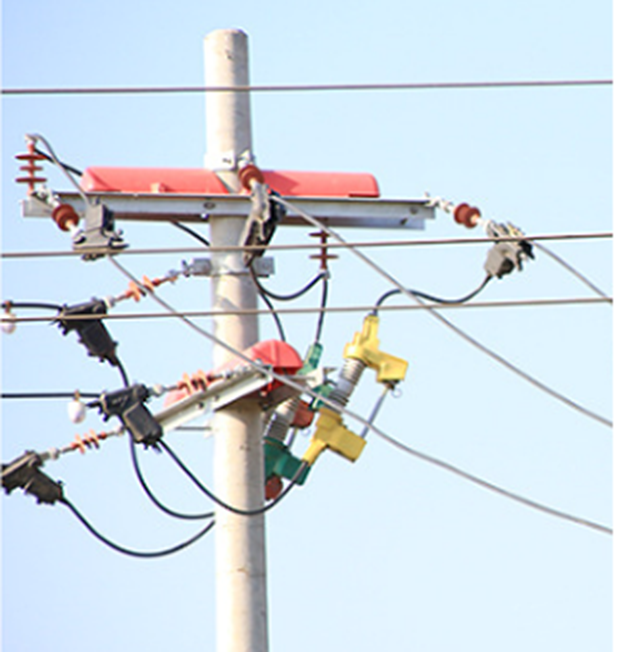
Furthermore, spacers are not isolated components; they are typically arranged at multiple points to form a three-dimensional shielding space above the insulator string. This space is precisely where electrical insulation is most vulnerable. By physically occupying the space, the spacers create a “vacuum zone,” ensuring that even under wind disturbance, birds cannot enter the danger zone near live conductors.
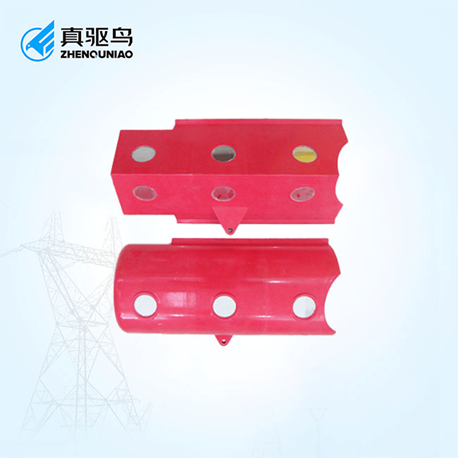
The deeper significance of these placeholders lies in behavioral guidance. In other words, the power line pole bird nesting deterrent placeholders are not intended to completely drive birds away from the power line corridor. Instead, by precisely “occupying” key spots, they send a clear signal to birds that this route is off-limits, guiding them to migrate to the lower sections of the poles, non-electrified areas, or nearby natural woodlands. This behavior-based approach, achieved through physical intervention, is more sustainable than traditional scare tactics because it alters the physical properties of the environment, making “not nesting” the birds’ default choice when encountering the placeholder.
By "securing key positions and safeguarding vital lines," bird-deterrent nest-prevention devices on power poles provide long-term protection for power facilities in complex grid environments. They serve not only as steel guardians on the poles but also as the most intelligent balance between grid safety and ecological harmony.


