


Every spring, a silent “battle” unfolds along railway lines. On one side are birds gathering twigs to build their nests; on the other are high-speed rail lines that must ensure safe operation. The birds do not realize that what they see as ideal nesting spots—flat corners on catenary poles and crossbeams—can pose risks to the railway system, including circuit breakers tripping, signal interference, and even fire hazards.
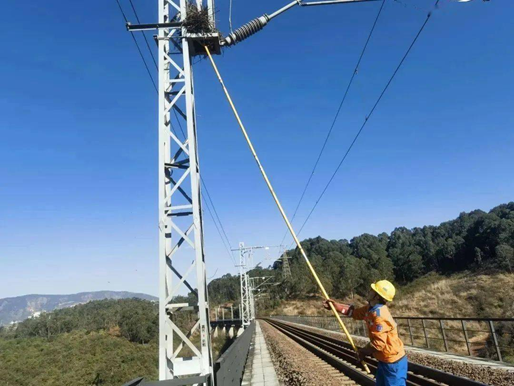
The problem is that traditional bird control methods are often ineffective; they are either too passive or harmful to birds. Truly effective bird control should minimize disturbance to birds while ensuring railway safety.
Shenzhen Zhenqu Bird Control Technology - Multifunctional Bird Deterrent Device for Railways The ZQN-TL-DX may appear simple on the outside, but it integrates two key technologies: radar bird detection and directional acoustic bird deterrence. The radar continuously monitors the surrounding airspace. Once it detects birds approaching the protected area, the device automatically activates the directional acoustic system. Embedded speakers emit high-frequency, high-intensity sound waves with a frequency range spanning 2 kHz to 25 kHz and a sound pressure level exceeding 120 dB. While this sound is not jarring to humans, it serves as a clear “please leave” signal to birds.
What is particularly noteworthy is the design of its sound library. In addition to directional high-intensity sound waves, the device can also play sounds that naturally deter birds, such as the calls of their natural predators and the sound of firecrackers. This "psychological deterrence" method is both effective and harmless to the birds.
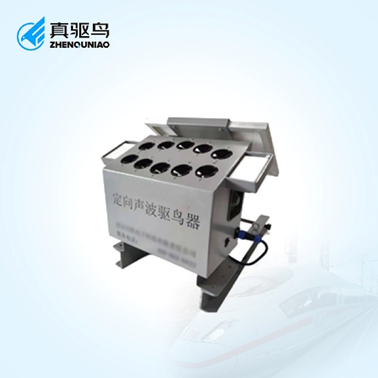
The device is powered by a combination of solar energy and rechargeable batteries, making it suitable for outdoor environments along railway lines where no external power source is available. Once installed, simply flip the switch, and the device will automatically emit a burst of high-intensity sound waves lasting approximately three minutes before entering standby mode, enabling round-the-clock monitoring and deterrence.
The goal here is not to completely drive birds away from the railway corridor, but rather to establish a gentle yet firm boundary in key areas. Birds can continue to fly and nest elsewhere, provided they avoid zones that pose a danger to both them and the trains. The safe operation of railways depends on the careful consideration of countless details. For birds, a clearly marked “restricted zone” may be far more humane than any harmful method of drive away.


