


Although birds’ activities near power lines—such as nesting, defecating, and flying—are a natural occurrence, they can pose safety risks to the power grid. Debris in bird nests, such as twigs and wire, can cause short circuits, while bird droppings on insulators can easily trigger circuit breakers, potentially leading to widespread power outages that disrupt normal electricity supply and pose significant safety hazards to the power grid.
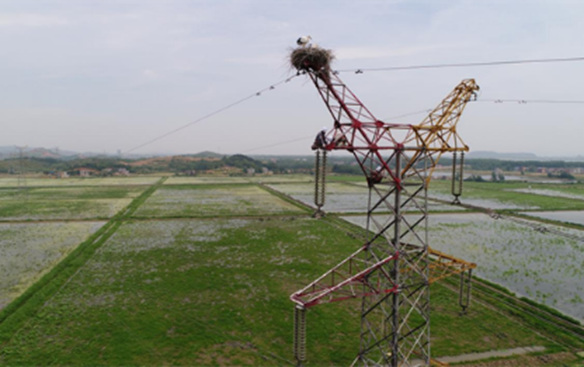
How can we ensure a stable power supply while also preventing harm to birds? Shenzhen Zhenqu Bird Control Technology’s Solar-Powered Ultrasonic Bird Repeller ZQN-DL-CS is becoming an indispensable tool in power grid operations and maintenance. This bird repeller continuously emits ultrasonic waves with frequencies ranging from 16 kHz to 25 kHz. These sound waves have virtually no effect on the human ear, but they are extremely piercing and unbearable to birds. Once within the device’s coverage area, birds experience significant discomfort, causing them to actively move away and abandon nesting or resting in that location.
To prevent birds from becoming "immune" to a single frequency, this device uses frequency-modulation technology, causing the ultrasonic frequency to constantly vary. It also features an intermittent operation mode—working for 3 minutes and resting for 5 minutes, in a continuous cycle. This not only conserves energy but also maintains a consistent bird-repelling effect, preventing birds from developing a tolerance.
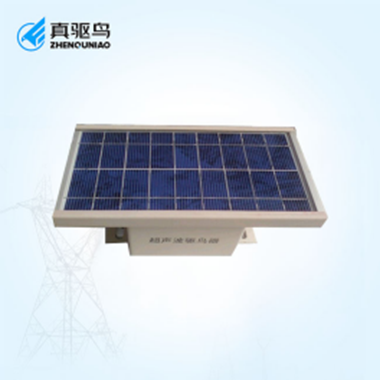
In terms of power supply, this bird repeller is designed with the practical realities of outdoor use in mind. It features a built-in solar panel that automatically charges on sunny days, while a rechargeable battery provides power at night or during prolonged periods of cloudy or rainy weather. With a fully charged battery, the device can operate continuously for 10 days without requiring frequent manual maintenance, truly achieving unattended operation. In addition to power lines and substations, this bird repeller is equally suitable for warehouses, orchards, farms, and other locations requiring protection against bird infestations. With an effective coverage range of 12 to 15 meters, a single unit is sufficient to safeguard an entire area.
Scientific bird deterrence is not only a crucial measure for ensuring a stable power supply, but also an indirect form of bird conservation. Rather than allowing birds to venture into dangerous high-voltage areas, it is better to guide them away in advance. This approach ensures safer operation of power facilities while protecting birds from the risk of electrocution, thereby fostering harmonious coexistence between humans and nature.


