


When walking in the countryside, you may often see towering power transmission towers. Against the backdrop of blue skies and white clouds, these towers should appear serene, but if you look closely, you’ll notice that the crossarms of some towers are densely covered with rows of “steel spikes.” At first glance, many people might find them a bit intimidating and even worry that they might harm birds. Today, Shenzhen Zhenqu Bird Control invites you to explore the world of these extendable anti-bird spikes.
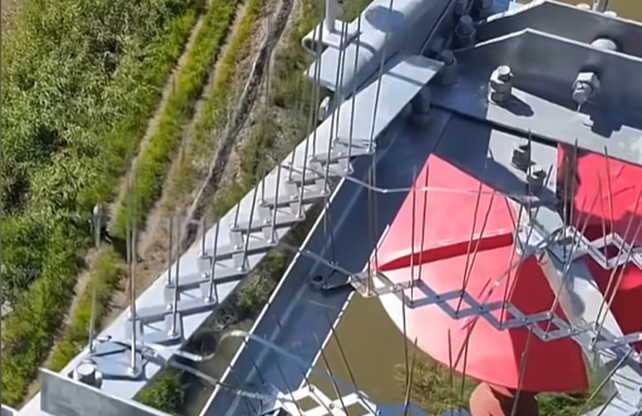
To put it simply, the principle behind it is very straightforward—it can be summed up in four words: “nowhere to land.”
Imagine you’ve been running around all day and are looking for a flat spot to rest, only to find that the ground is covered with a dense array of fine needles—you’d surely turn around and walk away. That’s exactly how the expandable anti-bird spikes work. They consist of rows of sturdy stainless steel spikes that, like an open umbrella, densely cover the critical areas of the steel tower.
When birds fly in looking to rest or build a nest, they find they can’t locate a suitable spot. Over time, they learn from experience that this place is unsafe and should be avoided. As a result, they actively steer clear of these areas and seek out habitats in safer parts of nature.
In the field, exposure to wind, sun, and rain is the norm. If the bird spikes are of poor quality and rust through within two years, they will not only be ineffective but may also fall off and damage the power lines.
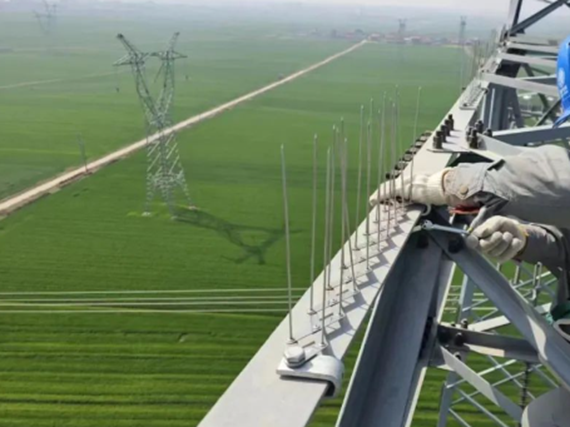
Zhenqu Bird Control Technology’s Extendable Bird Spikes are crafted with meticulous attention to materials, made from solid 304 stainless steel. The most notable feature of this material is its corrosion resistance and durability; whether in the humid, rainy south or the bitter cold and scorching heat of the north, it remains firmly anchored to the steel tower, standing guard day in and day out. More importantly, the tips of these steel spikes have been treated to prevent injury. Although they appear densely packed, they serve only to deter and block birds—they won’t actually injure them. It’s just like the fence at our front door: it’s there to tell you “no entry,” not to harm passersby.
In terms of installation, it isn’t a single, rigid piece; instead, it can be freely assembled and disassembled—much like folding an accordion or stacking building blocks—depending on the width of the installation site. This is why it’s called “stretchable.”


